The Cost-Per-Wear Wardrobe: Building a BDT 15,000 Outfit Rotation
Real budget math for Bangladeshi men — which pieces to buy new, which to buy pre-loved, and how to hit a full rotation for BDT 15,000.
Price tags lie. A BDT 6,000 jacket worn 120 times costs BDT 50 a wear; a BDT 2,000 novelty shirt worn four times costs BDT 500. Cost-per-wear is the only wardrobe metric that survives contact with a real Bangladeshi calendar — and it's how you build a full rotation on BDT 15,000 without looking like you did.
The math, stated plainly
Cost per wear = purchase price ÷ realistic lifetime wears. Estimate wears honestly: a white oxford shirt in a Dhaka office clears 100+ wears over three years. A heavy embroidered festive set clears maybe 12. Both can be worth buying — but only one deserves the bigger number on the tag.
The BDT 15,000 allocation
- BDT 4,500 — one cotton panjabi set, bought new and tailored. Highest social visibility, needs to fit.
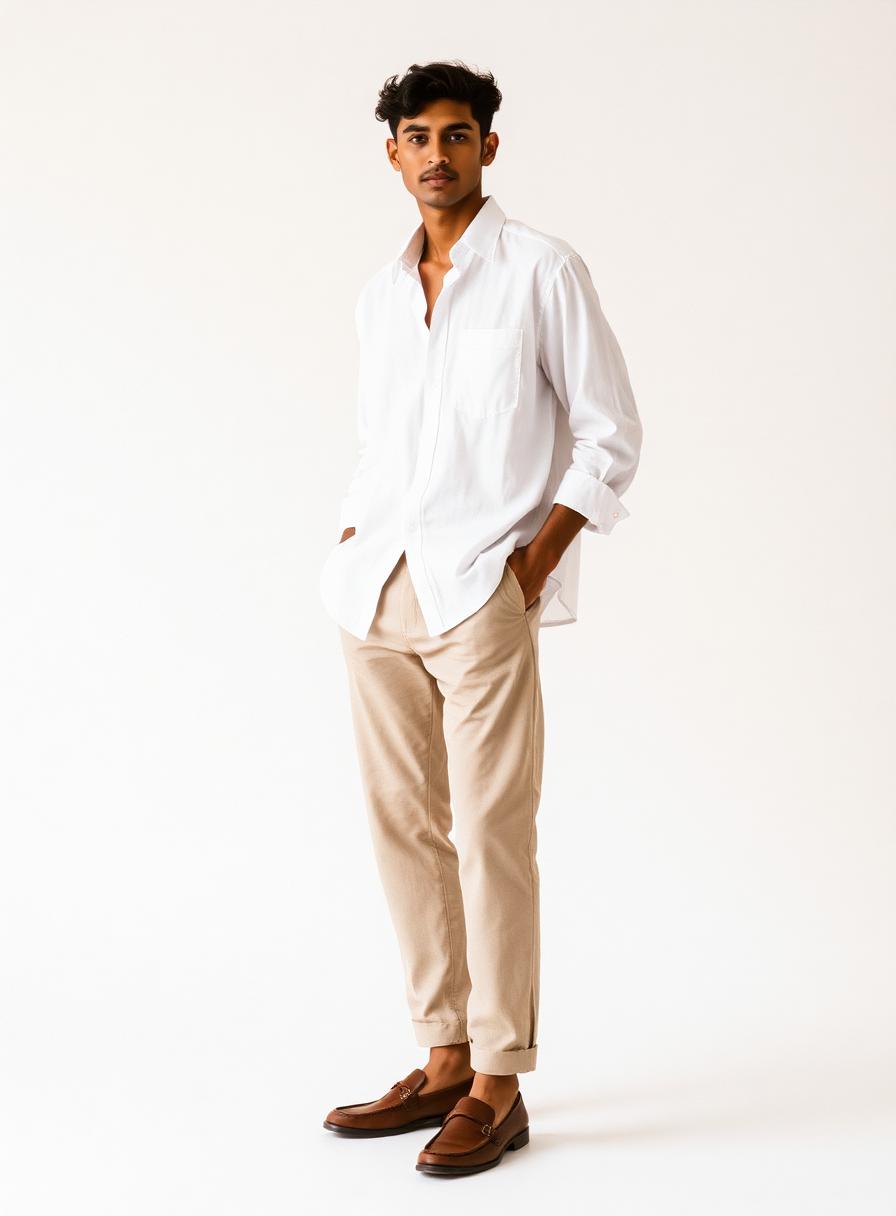
- BDT 3,000 — two shirts (one white oxford, one light blue), new. Base layer of everything.
- BDT 2,500 — tailored chinos plus one pair of dark denim.
- BDT 3,000 — leather shoes. Buy the best condition you can find; this is the piece that ages your outfit fastest.
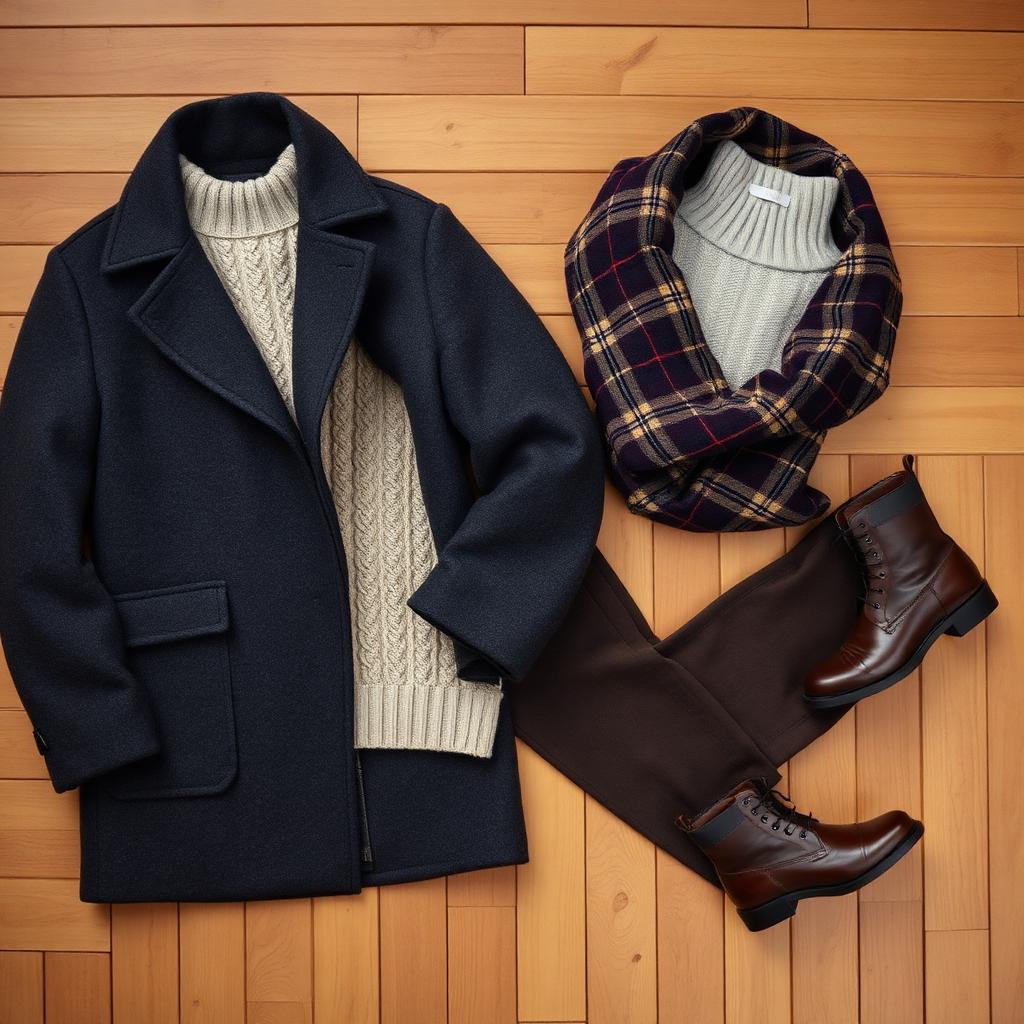
- BDT 2,000 — outerwear (light jacket or overcoat depending on season).
Where the pre-loved market changes the math
Two of those lines — shoes and outerwear — are the classic overpay categories, and both hold up extremely well secondhand because they were built to. A pair of leather derbies that retailed at BDT 9,000 commonly resells at BDT 3,500 with the sole barely touched. Scanning pre-loved listings in Bangladesh before committing to the new-price version routinely frees up BDT 4,000–5,000 of the budget, which is the difference between a five-piece rotation and a nine-piece one.
What never goes on the secondhand line
Underwear, socks, anything with sizing that depends on stretch memory, and anything you'll get tailored heavily. Alteration on a badly-sized secondhand piece eats the saving.
Tracking it without a spreadsheet
Write the purchase price on the care label in fabric marker. Every time you wear the piece, you're reminded what it cost. Within a season you'll know exactly which BDT 3,000 was well spent and which one wasn't.
The one-year test
If a piece hasn't been worn in twelve months and it survived a full Eid, a winter and a monsoon without being reached for, it isn't part of the rotation. Sell it while it still has resale value — condition, not age, is what the secondhand market prices.
Packages featured in this guide
Quick answers
- Can you build a decent wardrobe for BDT 15,000 in Bangladesh?
- Yes — a full rotation covering office, casual and one festive occasion is achievable if you buy tailored pieces new and outerwear, denim and shoes pre-loved.
- What is a good cost per wear?
- Under BDT 100 per wear is strong for basics. Occasion wear will always run higher; judge it against similar-occasion pieces, not against your daily shirts.
Further reading: The Daily Star · Lifestyle, Bangladesh Meteorological Department, GQ Style.